
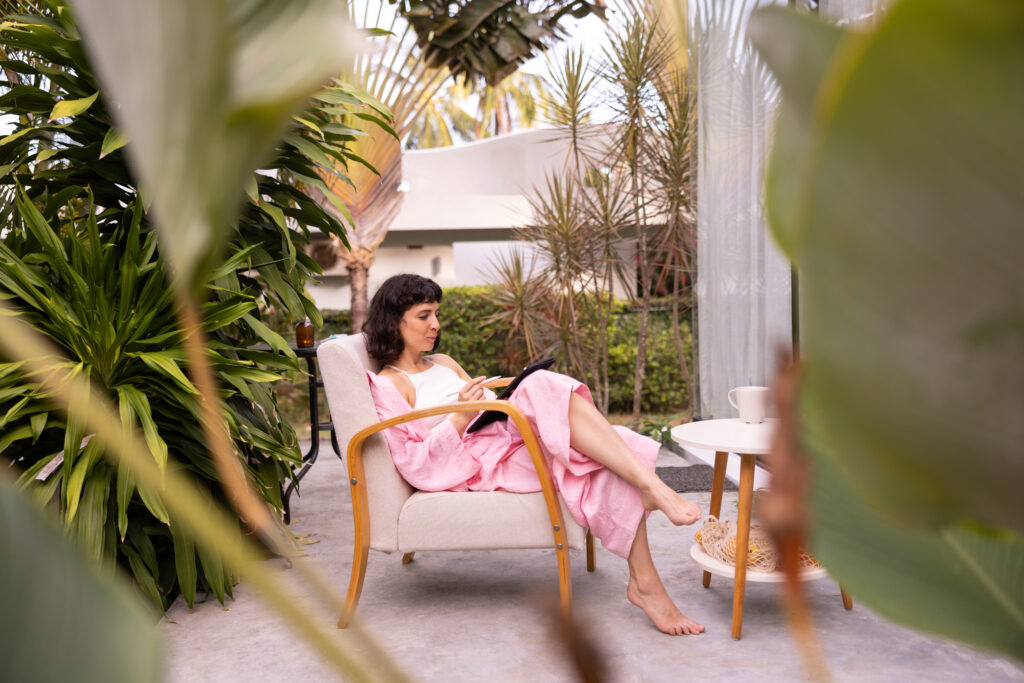
Understanding Why Outdoor Comfort Matters
Comfortable outdoor living is not just about furniture or decoration; it is deeply rooted in psychology. The spaces we spend time in influence our emotions behavior and overall sense of well-being. When outdoor areas feel comfortable the mind relaxes and the body responds with ease. This comfort encourages people to spend more time outdoors which naturally supports mental clarity emotional balance and a healthier lifestyle.
How the Human Mind Responds to Outdoor Environments
The human brain constantly reads its surroundings for signals of safety balance and control. Outdoor spaces that feel organized open and predictable reduce mental effort. When the environment does not demand constant attention the mind enters a calmer state. Comfortable outdoor living works because it aligns with the brain’s preference for clarity simplicity and gentle stimulation rather than overload.
The Role of Familiarity and Predictability
Familiar environments help people feel secure. Outdoor spaces that follow clear patterns consistent layouts and logical flow feel easier to understand and use. Predictability reduces anxiety because the brain does not need to stay alert. Comfortable outdoor living relies on this principle by creating spaces that feel intuitive rather than confusing or overstimulating.
Why Visual Balance Creates Emotional Comfort
Visual balance plays a major role in psychological comfort. When elements are evenly distributed and nothing feels too heavy or crowded the space feels stable. This stability signals calm to the brain. Comfortable outdoor living environments use proportion and spacing to avoid tension and visual stress. Balanced spaces naturally invite relaxation and longer use.
Step 1: Reducing Cognitive Load Through Simplicity
Cognitive load refers to how much information the brain has to process at once. Outdoor spaces with too many features colors or materials increase mental effort. Simple design reduces this load allowing the brain to rest. Comfortable outdoor living embraces fewer elements with clear purpose so the space feels light and emotionally supportive.
How Open Space Supports Psychological Ease
Open space is essential for mental comfort. It provides breathing room both physically and emotionally. Crowded environments can trigger subconscious stress responses. Comfortable outdoor living includes open areas that allow free movement and visual rest. These spaces help people feel less confined and more in control which supports emotional well-being.
Step 2: Encouraging Natural Movement Patterns
The way people move through outdoor spaces affects their mood. Smooth transitions gentle curves and clear pathways support relaxed movement. Abrupt changes or confusing layouts create tension. Comfortable outdoor living designs guide movement naturally which slows pace and promotes mindful behavior.

Sound and Its Impact on Outdoor Comfort
Sound is a powerful psychological factor. Loud unpredictable noise keeps the nervous system active. Comfortable outdoor living environments reduce harsh sounds and allow softer ambient noise to exist. Quieter spaces encourage calm behavior deeper focus and longer stays which strengthens the sense of comfort.
The Importance of Personal Control in Outdoor Spaces
People feel more comfortable when they have a sense of control over their environment. Outdoor spaces that offer flexible use seating choices and adaptable zones support this need. When individuals can choose how and where to spend time they feel more relaxed. Comfortable outdoor living respects personal autonomy and emotional needs.
Step 3: Creating Clear Purpose Within the Space
Spaces without clear purpose often feel underused or awkward. Comfortable outdoor living environments define zones for different activities without rigid separation. This clarity helps people understand how to use the space intuitively. Purpose-driven design reduces uncertainty and increases emotional comfort.
Consistency Builds Trust and Comfort
Consistency in materials spacing and layout helps the brain feel safe. Sudden changes or conflicting styles can create unease. Comfortable outdoor living relies on consistent design language so the environment feels trustworthy and calm. When the brain recognizes order it relaxes automatically.
Why Low-Maintenance Design Improves Mental Well-Being
Outdoor spaces that require constant effort can become sources of stress. Comfortable outdoor living prioritizes ease of maintenance so enjoyment remains high. When upkeep feels manageable people are more likely to use and appreciate the space regularly. Reduced maintenance supports long-term emotional comfort.
How Comfortable Outdoor Living Shapes Daily Behavior
Design influences behavior subtly but consistently. Comfortable outdoor spaces encourage slower movement quiet reflection and social interaction. Over time these behaviors improve mood focus and emotional resilience. The psychology of comfortable outdoor living shows how environment shapes habits without conscious effort.
The Long-Term Psychological Benefits of Outdoor Comfort
Regular exposure to comfortable outdoor environments supports emotional stability and reduces chronic stress. People who spend time in such spaces often experience better focus improved sleep and stronger emotional balance. Comfortable outdoor living becomes a daily support system rather than a luxury feature.
Why Bhoomi Nursery Focuses on Comfort-Centered Design
At Bhoomi Nursery, we believe outdoor spaces should feel good to use not just good to look at. Our landscaping approach is guided by an understanding of how design affects human psychology. By focusing on balance simplicity and usability Bhoomi Nursery creates outdoor environments that support comfort mental well-being and everyday living.
Professional Design Aligns Space with Human Needs
Creating psychologically comfortable outdoor spaces requires thoughtful planning. Professional guidance ensures that design decisions support natural human responses rather than work against them. At Bhoomi Nursery, we design outdoor spaces that feel intuitive calming and emotionally supportive for long-term use.
Conclusion: Comfort Is a Psychological Experience
The psychology of comfortable outdoor living reveals that true comfort comes from clarity balance and emotional safety. When outdoor spaces align with how the human mind works they become places of restoration and connection. Thoughtful design transforms outdoor areas into supportive environments that enhance daily life. With expert guidance from Bhoomi Nursery, comfortable outdoor living becomes a lasting experience rooted in both design and psychology.