
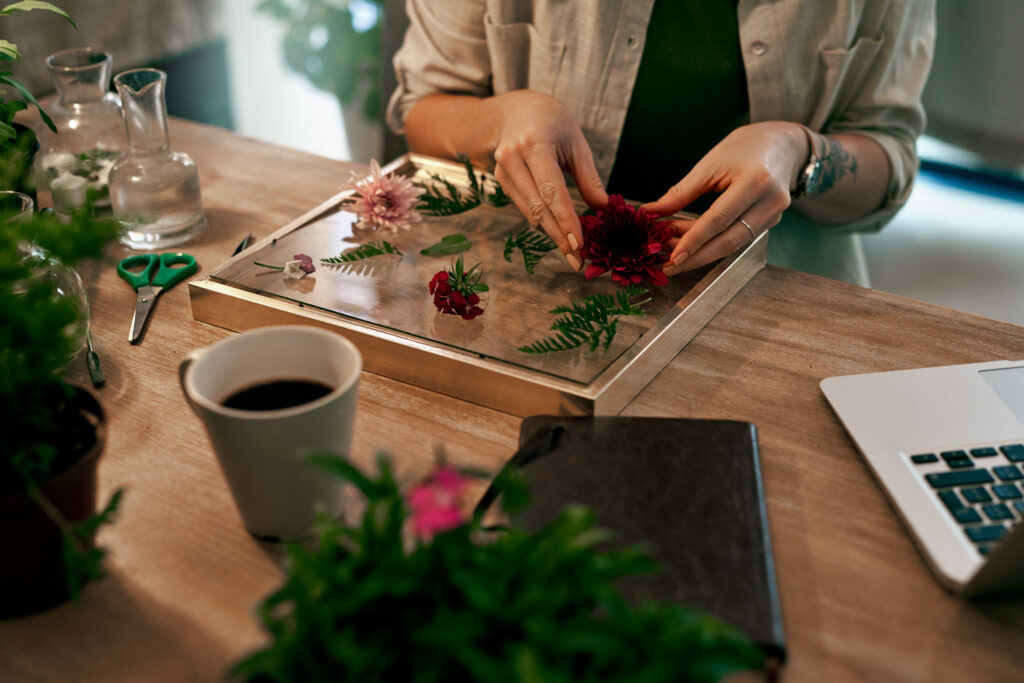
Why Design Must Acknowledge Change
Life is never fixed and the spaces we live with should not be either. Routines shift priorities change families grow work patterns evolve and personal needs transform over time. Designing for life as it evolves means accepting change as a constant rather than an exception. Spaces designed with adaptability in mind continue to feel supportive and comfortable long after their initial purpose has changed. This approach reduces frustration avoids unnecessary redesign and creates environments that truly grow alongside life.
How Rigid Design Limits Everyday Living
Spaces that are designed too specifically often struggle when life moves forward. A layout that once worked perfectly can feel restrictive when needs change. Rigid design forces people to adjust their behavior to the space rather than the space adapting to them. Designing for life as it evolves requires flexibility at the core so spaces remain useful instead of becoming obstacles.
Flexibility as the Foundation of Evolving Design
Flexibility does not mean lack of structure. It means thoughtful planning that allows multiple uses over time. Spaces that can support rest work movement and connection without major changes feel more valuable. Designing for life as it evolves ensures that areas remain relevant even as daily patterns shift. Flexibility protects both comfort and long-term usability.
Step 1: Creating Layouts That Can Adapt Naturally
Adaptable layouts are essential for evolving life needs. Open and logical layouts allow easy reconfiguration without disrupting flow. When circulation paths are clear and areas are not over-defined the space can shift purpose effortlessly. Designing for life as it evolves begins with layouts that welcome change rather than resist it.
Supporting Movement Through Changing Life Stages
Movement needs vary across life stages. A space should feel comfortable whether routines are fast-paced or slow. Designing generous circulation and clear transitions ensures continued ease of use. When movement remains comfortable over time the space continues to feel supportive instead of restrictive.
Step 2: Avoiding Over-Specialized Design Choices
Highly specialized features often limit future use. Designing for life as it evolves means avoiding elements that lock a space into one function. Neutral foundations allow areas to take on new roles without conflict. Over-specialization shortens the lifespan of a space while versatility extends it.
Choosing Materials That Age With Life
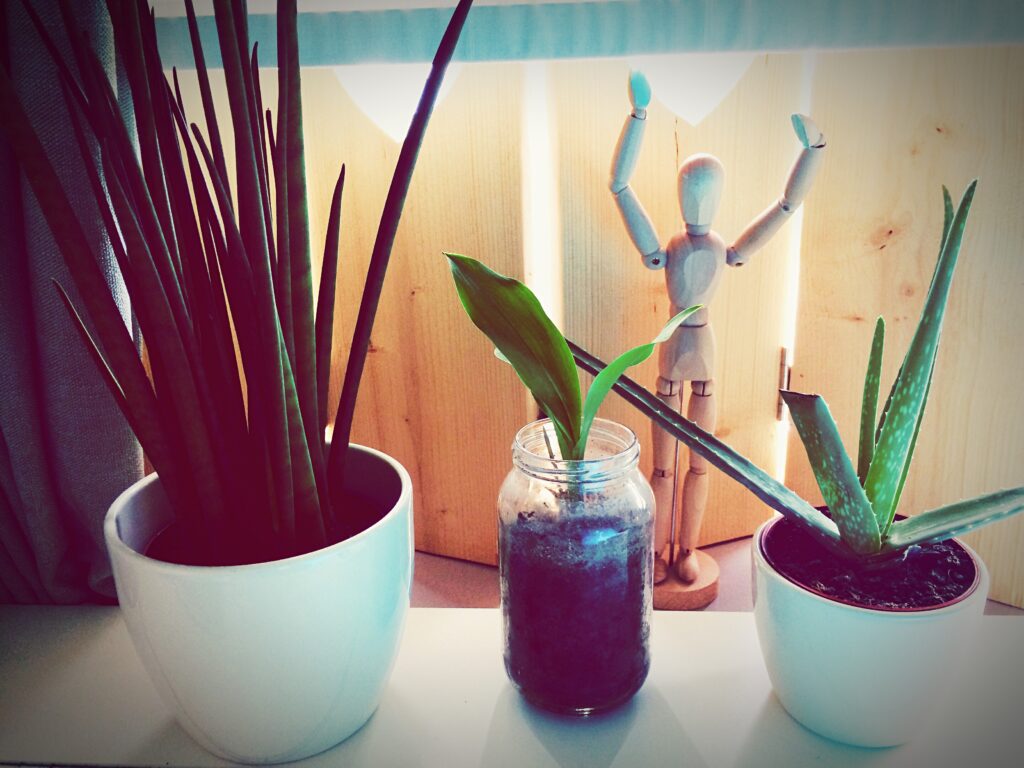
Materials influence how a space feels years later. Durable easy-care materials reduce pressure and stress as responsibilities grow. Materials that age gracefully allow a space to feel lived-in rather than worn-out. Designing for life as it evolves includes choosing materials that support long-term comfort rather than short-term perfection.
Step 3: Designing for Low Maintenance Living
Maintenance demands change as life becomes busier. Spaces that require constant care often lose appeal. Designing for life as it evolves prioritizes low maintenance so spaces remain enjoyable even when time is limited. Simple finishes consistent surfaces and easy access help preserve comfort over time.
Creating Zones That Can Change Purpose
Zones help organize space but should remain flexible. Soft transitions allow areas to support different activities as needs evolve. Designing for life as it evolves means allowing zones to adapt naturally without structural change. This freedom keeps spaces useful across changing lifestyles.
Visual Simplicity Supports Long-Term Use
Trends come and go but visual simplicity remains timeless. Overly decorative spaces often feel dated quickly. Designing for life as it evolves values calm balanced design that allows personalization over time. Simplicity makes it easier to adapt spaces without starting over.
Step 4: Planning for Emotional and Practical Growth
Life changes are not only physical but emotional. Spaces should support new priorities and routines without resistance. Designing for life as it evolves means leaving room for personal growth without redesign. When spaces feel emotionally flexible people remain connected to them longer.
Allowing Spaces to Evolve Without Disruption
A space that can evolve smoothly reduces stress during transitions. Designing for life as it evolves involves anticipating change and reducing friction. When layouts materials and zones support easy adjustment the space continues to feel supportive rather than outdated.
Why Bhoomi Nursery Designs With Life in Mind
At Bhoomi Nursery, we believe good design should serve life as it changes not just as it begins. Our approach focuses on adaptability comfort and long-term ease. With decades of experience in landscaping and space planning Bhoomi Nursery helps create areas that remain useful meaningful and comfortable through every stage of life.
Professional Planning Creates Future-Ready Spaces
Designing for life as it evolves requires foresight and experience. Professional planning ensures flexibility is built into the foundation rather than added later. At Bhoomi Nursery, we design spaces that adapt naturally while maintaining balance and usability.
Conclusion: Spaces That Grow Alongside Life
Designing for life as it evolves is about respecting change as part of living. Flexible layouts durable materials low maintenance design and visual simplicity allow spaces to remain supportive over time. When design anticipates evolution spaces grow with life instead of falling behind it. With thoughtful planning and guidance from Bhoomi Nursery, design becomes a long-term companion to everyday living.