

Comfort Comes From Design That Understands Change
Comfort is not created only by how a space looks today but by how well it continues to support life over time. Future-ready design feels more comfortable because it accepts that routines habits and needs will evolve. Spaces designed with flexibility and foresight reduce friction as life changes. When a space adapts naturally there is no constant need to adjust behavior which creates a sense of ease and familiarity.
Why Fixed Design Creates Long-Term Discomfort
Design that is too rigid may feel impressive at first but often becomes uncomfortable as life progresses. Fixed layouts and overly specific features struggle to support new routines. This creates tension where people feel forced to work around the space instead of living comfortably within it. Future-ready design avoids this problem by allowing the space to adjust rather than resist change.
Future-Ready Design Supports Natural Living
Spaces feel most comfortable when they align with how people live rather than how they are expected to function. Future-ready design supports natural movement flexible use and evolving routines. When a space does not demand constant rethinking it becomes easier to live with. This natural alignment is why future-ready design always feels more comfortable in everyday life.
Step 1: Designing Layouts That Can Adapt Easily
Adaptable layouts are a core feature of future-ready design. Open and logical layouts allow spaces to be rearranged without disruption. When circulation paths are clear and areas are not over-defined the space remains usable even as needs change. Comfort increases when people can adjust the space without stress or major modification.
Comfort Grows When Movement Feels Effortless
Movement patterns change as life evolves. Spaces that allow easy movement without tight constraints remain comfortable longer. Future-ready design includes generous spacing and smooth transitions that continue to support comfort over time. When movement feels effortless the space feels supportive rather than restrictive.
Step 2: Avoiding Over-Specialized Design Choices
Over-specialized features often limit future use. A space designed for only one function quickly loses comfort when needs shift. Future-ready design avoids locking spaces into single purposes. Neutral adaptable foundations allow spaces to take on new roles without discomfort or redesign.
Materials That Support Long-Term Comfort
Materials influence how comfortable a space feels over the years. Durable easy-care materials reduce maintenance pressure and age gracefully. When materials support daily use without constant attention people feel more relaxed. Future-ready design feels comfortable because it reduces worry about upkeep and wear.
Step 3: Designing for Low Maintenance Living
Maintenance plays a major role in comfort. Spaces that require constant care often become sources of stress. Future-ready design prioritizes low maintenance so comfort is preserved even when time and energy are limited. Simple finishes consistent surfaces and accessible areas help maintain ease of use.
Zones That Evolve Without Resistance
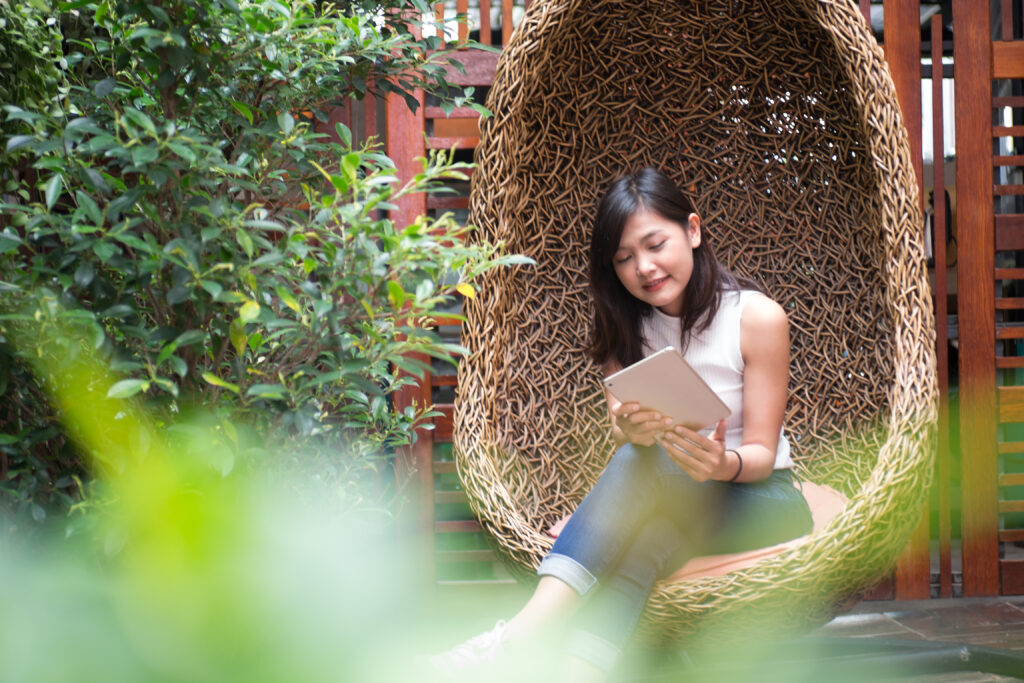
Zones help organize space but should never restrict future use. Soft transitions allow zones to change function easily. Future-ready design creates zones that adapt naturally which keeps the space comfortable through different life stages. This flexibility prevents discomfort caused by rigid boundaries.
Visual Simplicity Keeps Spaces Feeling Comfortable
Visual complexity can feel overwhelming over time. Future-ready design relies on visual simplicity which remains calming and adaptable. Balanced proportions and restrained design allow personalization without visual fatigue. Comfort grows when a space feels calm rather than demanding attention.
Step 4: Supporting Emotional Comfort Over Time
Comfort is emotional as well as physical. Spaces that evolve easily support emotional well-being by reducing stress during life changes. Future-ready design allows people to remain connected to their space even as priorities shift. This emotional continuity is a key reason future-ready design always feels more comfortable.
Why Comfort Increases With Adaptability
Adaptability removes pressure. When people know their space can adjust to future needs they feel at ease using it today. Future-ready design reduces anxiety about outgrowing a space. This confidence contributes to long-term comfort and satisfaction.
Why Bhoomi Nursery Designs With the Future in Mind
At Bhoomi Nursery, we believe comfort should last not fade. Our approach focuses on adaptability usability and long-term ease. With decades of experience in landscaping and space planning Bhoomi Nursery designs spaces that feel comfortable today and remain supportive as life evolves.
Professional Planning Creates Comfortable Futures
Future-ready design requires foresight and experience. Professional planning ensures adaptability is built into the foundation. At Bhoomi Nursery, we design spaces that anticipate change while maintaining balance clarity and comfort. This thoughtful approach creates environments that continue to feel right over time.
Conclusion: Comfort Comes From Readiness for Change
Future-ready design always feels more comfortable because it respects how life evolves. Flexible layouts durable materials low maintenance planning and visual simplicity create spaces that grow with people rather than restrict them. When design anticipates change comfort becomes lasting rather than temporary. With expert guidance from Bhoomi Nursery, future-ready design transforms spaces into long-term sources of ease and well-being.