
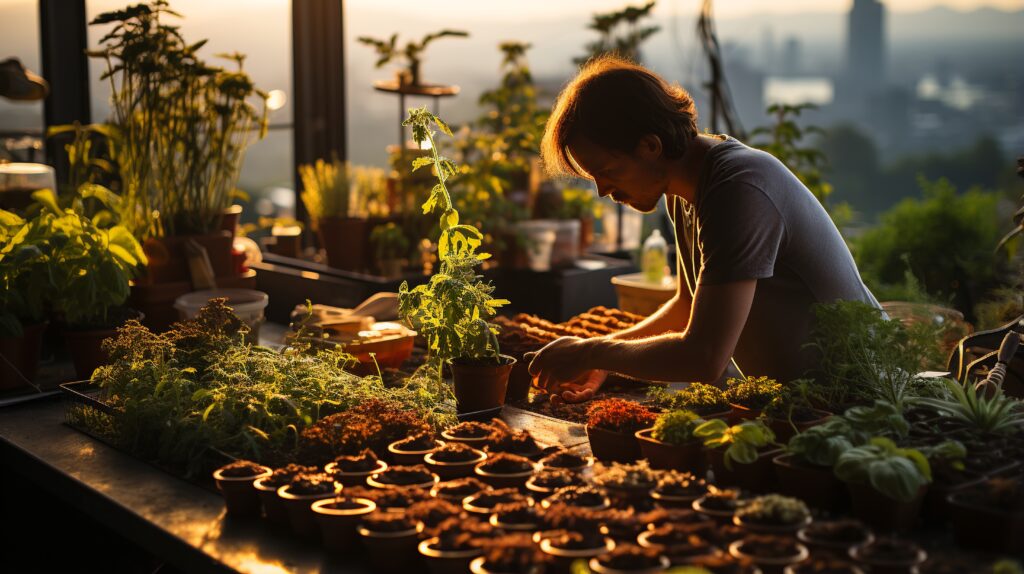
Human-Centered Design Begins With Change, Not Control
Design feels human when it accepts that life is not fixed. People grow, routines shift, priorities change, and emotions evolve. Design that allows growth feels more human because it responds to these changes instead of resisting them. Spaces that adapt naturally reduce friction between daily life and the environment, making people feel understood rather than restricted. Human-centered design begins by recognizing that growth is normal, expected, and valuable.
Why Rigid Design Often Feels Uncomfortable
Rigid design is created around specific assumptions about how a space should be used. When those assumptions no longer match real life, discomfort appears. People start adjusting themselves to fit the space instead of the space supporting them. Design that allows growth avoids this tension. It feels more human because it adjusts quietly as needs change, without demanding effort or compromise from the people using it.
Growth-Friendly Design Mirrors Human Behavior
Humans do not live in straight lines or fixed patterns. Daily life includes moments of rest activity focus connection and solitude, often in changing combinations. Design that allows growth mirrors this fluid behavior. When a space supports multiple uses without feeling forced, it feels intuitive. This intuitive quality is what makes design feel human rather than mechanical or imposed.
Step 1: Creating Layouts That Can Evolve Naturally
Layouts are the foundation of growth-friendly design. Open and logical layouts allow spaces to change function without disruption. When circulation is clear and areas are not overly defined, people can adapt the space as life evolves. Design that allows growth feels more human because it does not require major decisions or structural changes to stay relevant.
Movement That Adapts Over Time
Movement needs change with age lifestyle and routine. A human-centered space allows comfortable movement now and later. Design that allows growth includes generous spacing and smooth transitions that continue to feel right as life shifts. When movement remains easy, the space feels supportive instead of limiting.
Step 2: Avoiding Overly Fixed Design Choices
Highly specific design decisions often limit future possibilities. Spaces designed for one purpose struggle to adapt. Design that allows growth avoids locking areas into rigid functions. Neutral adaptable foundations allow spaces to take on new roles without conflict. This flexibility is deeply human because it respects uncertainty and change.
Materials That Age Alongside People
Materials influence how emotionally connected people feel to a space. Durable low-stress materials that age naturally feel forgiving rather than fragile. Design that allows growth uses materials that support everyday life without demanding perfection. As materials age with use, they reflect lived experience rather than deterioration, which feels more human and authentic.
Step 3: Designing for Low Emotional and Physical Maintenance
As life becomes busier, tolerance for constant upkeep decreases. Spaces that demand continuous attention create stress. Design that allows growth prioritizes low maintenance so the space remains comfortable even when time and energy are limited. Low-maintenance design supports human reality rather than ideal conditions.
Zones That Shift Without Resistance
Zones help organize space, but rigid boundaries limit growth. Human-centered design uses soft transitions that allow zones to change purpose easily. Design that allows growth feels more human because it gives people freedom to redefine how they use a space without structural resistance.
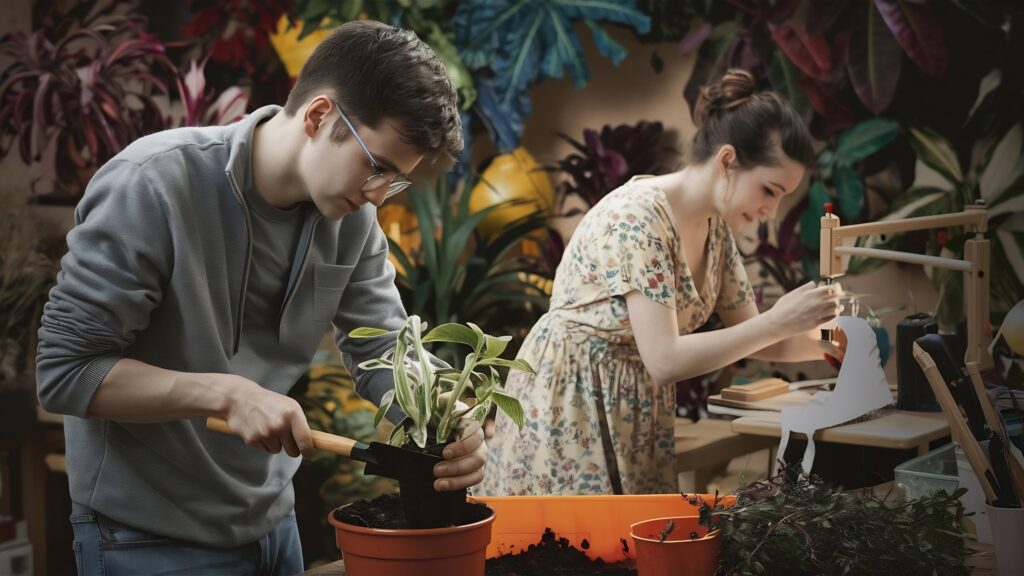
Visual Simplicity Creates Emotional Room to Grow
Visually complex spaces often feel overwhelming over time. Design that allows growth favors visual simplicity, which provides emotional breathing room. Calm proportions and restrained elements allow personal expression to change without clashing with the space. This adaptability supports emotional growth and long-term comfort.
Step 4: Supporting Emotional Change Through Design
Life changes are emotional as much as practical. Design that allows growth feels human because it supports emotional transitions without judgment. When a space adapts easily, people feel less pressure during life changes. Emotional comfort increases when the environment feels flexible rather than demanding.
Why Adaptability Builds Trust Between People and Spaces
People trust spaces that support them consistently over time. Design that allows growth builds this trust by remaining reliable even as needs shift. This trust is deeply human. It allows people to relax and use the space freely without fear of outgrowing it.
Why Bhoomi Nursery Believes Growth-Friendly Design Feels Human
At Bhoomi Nursery, we believe design should evolve with people, not restrict them. Our approach focuses on adaptability, comfort, and long-term usability. With decades of experience in landscaping and spatial planning, Bhoomi Nursery creates environments that feel supportive, flexible, and human at every stage of life.
Professional Planning Makes Growth Feel Natural
Design that allows growth requires foresight and sensitivity to human behavior. Professional planning ensures flexibility is built into the foundation rather than added later. At Bhoomi Nursery, we design spaces that grow naturally with life while maintaining balance and clarity.
Conclusion: Human Design Grows, It Does Not Resist
Design that allows growth feels more human because it respects change as part of living. Flexible layouts, forgiving materials, low maintenance planning, and visual simplicity allow spaces to evolve without tension. When design grows alongside people, comfort becomes natural and lasting. With thoughtful guidance from Bhoomi Nursery, design becomes a living support system that adapts gracefully as life unfolds.