
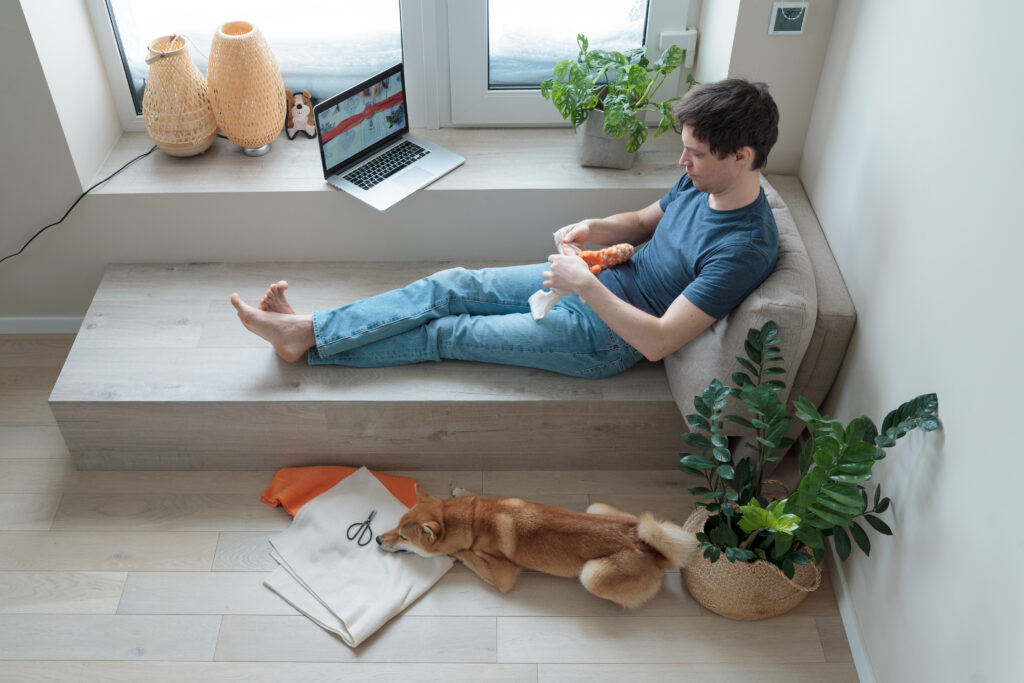
Long-Term Ease Comes From Design That Supports Real Living
A space that is easy to live with long term does not demand constant attention or adjustment. It supports daily routines quietly and continues to feel comfortable as life changes. Long-term ease is created when design choices focus on how people actually live rather than how a space looks at one point in time. Spaces that feel supportive year after year reduce stress and increase emotional connection.
Why Short-Term Design Often Fails Over Time
Many spaces are designed to impress immediately but lose comfort as routines evolve. Short-term design focuses on appearance and fixed use, which often creates limitations later. When life changes, these spaces feel restrictive or inconvenient. What makes a space easy to live with long term is its ability to adapt without requiring constant redesign or compromise.
Ease Comes From Alignment With Human Behavior
People move rest gather focus and pause in flexible patterns. Spaces that align with these behaviors feel intuitive. When design works with natural movement and usage, the space feels effortless. Long-term livability depends on how well a space supports everyday actions without forcing people to change their habits.
Step 1: Clear Layouts That Stay Useful Over Time
Layout is the foundation of long-term comfort. Clear and logical layouts allow spaces to be used in different ways as needs change. When areas are not overly defined, they can adapt naturally. What makes a space easy to live with long term is a layout that welcomes change instead of resisting it.
Movement That Remains Comfortable as Life Evolves
Movement needs change with age routines and lifestyle. Spaces that allow easy movement remain comfortable longer. Generous spacing and smooth transitions support daily use without effort. When movement feels natural, the space continues to feel supportive rather than restrictive.
Step 2: Flexible Use Without Over-Specialization
Spaces designed for only one purpose often struggle over time. Flexible use allows areas to serve multiple roles without conflict. What makes a space easy to live with long term is its ability to adapt to different activities without feeling awkward or forced. Avoiding over-specialization protects long-term usability.
Materials That Support Everyday Living
Materials influence how relaxed people feel in a space. Durable, forgiving materials reduce maintenance pressure and age gracefully. When materials support daily use without constant care, the space feels easier to live with. Long-term comfort grows when materials work with life rather than against it.
Step 3: Low Maintenance Design Reduces Long-Term Stress
Maintenance becomes more challenging as responsibilities increase. Spaces that require constant upkeep often become sources of stress. What makes a space easy to live with long term is low maintenance planning. Simple finishes consistent surfaces and accessible areas help preserve comfort over time.
Zones That Can Change Without Conflict
Zones help organize space but should remain adaptable. Soft transitions allow zones to shift purpose as needs evolve. When zones can change naturally, the space stays relevant. This flexibility is a key factor in long-term livability.
Visual Calm Supports Long-Term Use
Visual clutter creates mental fatigue over time. Calm balanced design allows the eye to rest and makes a space easier to use daily. What makes a space easy to live with long term is visual simplicity that remains soothing rather than overwhelming as tastes change.
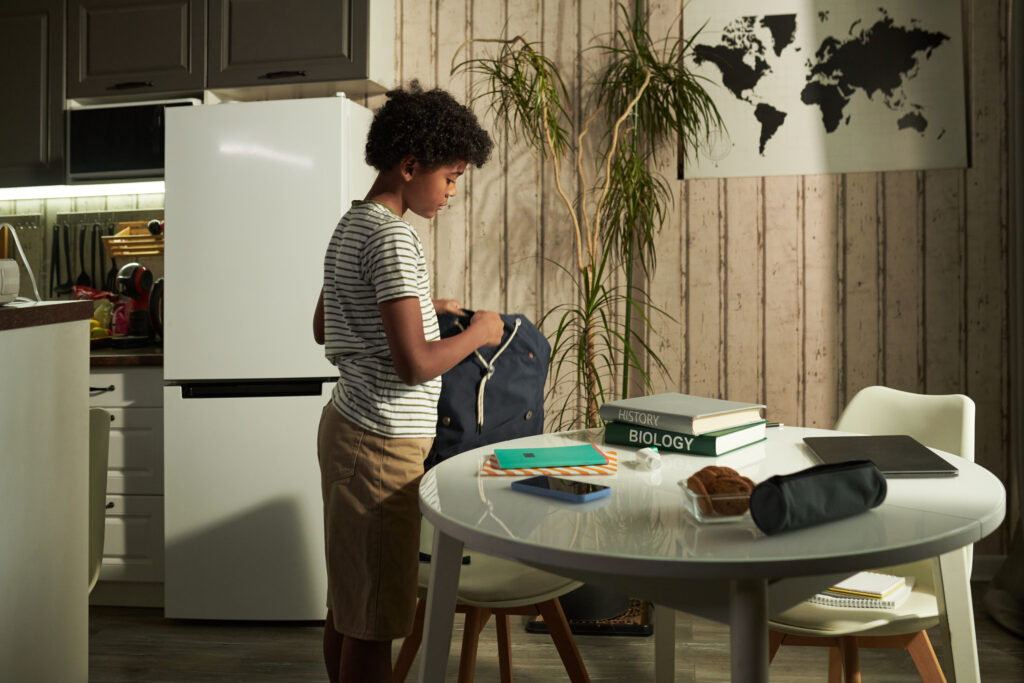
Step 4: Designing for Emotional Comfort Over Time
Long-term living is emotional as well as practical. Spaces that adapt easily reduce stress during life transitions. When a space continues to feel supportive, people remain emotionally connected to it. Emotional comfort is a major part of what makes a space easy to live with long term.
Why Adaptability Builds Trust in a Space
People trust spaces that continue to work as life changes. This trust allows freedom and ease. When people know their space can adapt, they feel comfortable using it fully. Adaptability builds confidence and long-term satisfaction.
Why Bhoomi Nursery Designs for Long-Term Ease
At Bhoomi Nursery, we believe spaces should remain easy to live with as life evolves. Our approach focuses on adaptability comfort and long-term usability. With decades of experience in landscaping and space planning, Bhoomi Nursery helps create spaces that support real living without adding stress over time.
Professional Planning Protects Long-Term Comfort
Designing for long-term ease requires foresight and understanding of how life changes. Professional planning ensures flexibility is built into the foundation. At Bhoomi Nursery, we design spaces that continue to feel natural supportive and comfortable for years to come.
Conclusion: Long-Term Ease Comes From Thoughtful Design
What makes a space easy to live with long term is its ability to grow with life. Clear layouts flexible use durable materials low maintenance planning and visual calm create lasting comfort. When design respects change, spaces remain supportive instead of restrictive. With thoughtful planning and guidance from Bhoomi Nursery, spaces become long-term partners in everyday living.