

Comfort Is Felt Long Before It Is Recognized
True comfort rarely announces itself. It is not something people stop to admire or analyze. Instead, it is something they feel while going about their day without interruption. Comfort comes from design you don’t notice because the best design works quietly in the background, supporting daily life without demanding attention. When a space feels easy to use, people focus on living, not on the space itself.
Why Noticeable Design Often Distracts From Comfort
Design that constantly draws attention can unintentionally create tension. Bold choices, rigid layouts, or overly decorative elements may look impressive, but they often require adjustment from the people using the space. When design asks for effort, comfort decreases. Comfort comes from design you don’t notice because it removes friction instead of adding personality that competes with daily life.
The Human Brain Prefers Effortless Environments
The brain is always processing surroundings, even when we are not aware of it. Spaces that are easy to understand reduce mental effort. Clear layouts, balanced proportions, and predictable flow allow the brain to relax. Comfort comes from design you don’t notice because the mind does not need to stay alert or solve problems just to exist in the space.
Step 1: Layouts That Guide Without Instruction
One of the strongest contributors to unnoticed comfort is layout. When movement feels natural and paths are obvious, people move without hesitation. There is no need to think about where to walk or how to use the space. Comfort comes from design you don’t notice when layouts quietly guide behavior without explanation.
Movement That Feels Natural Every Day
Spaces that support smooth movement reduce physical and mental strain. When people are not constantly adjusting their pace or path, they feel at ease. This comfort builds slowly and consistently. Design that supports natural movement fades into the background, allowing daily routines to flow without interruption.
Step 2: Visual Calm Reduces Mental Fatigue
Visual noise creates subtle stress. Too many competing elements force the brain to work harder. Calm visual design allows the eye to rest. When proportions are balanced and elements feel organized, the mind settles. Comfort comes from design you don’t notice because visual calm does not demand attention; it simply supports well-being.
Why Simplicity Feels Better Over Time
Complex spaces may feel exciting at first but often become tiring. Simplicity lasts because it does not overwhelm. Design you don’t notice avoids extremes and focuses on clarity. Over time, this restraint becomes the foundation of long-term comfort.
Step 3: Materials That Remove Worry
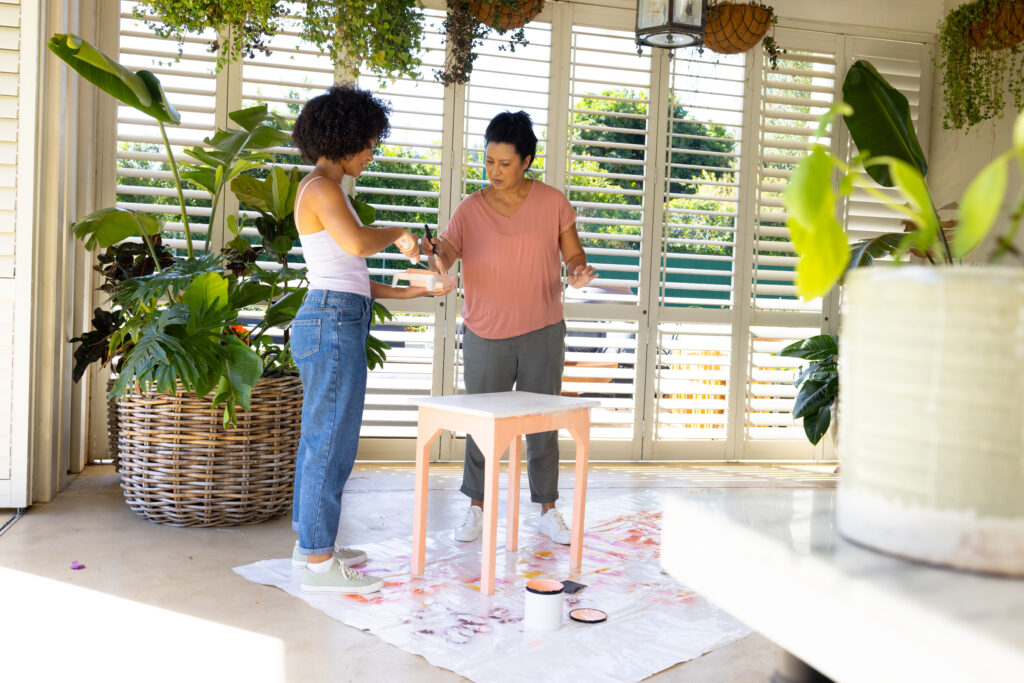
Comfort is emotional as well as physical. Materials that feel durable and forgiving allow people to relax. When there is no constant fear of damage or upkeep, people use spaces more freely. Comfort comes from design you don’t notice because emotional ease is created quietly through practical choices.
Low Maintenance Supports Daily Ease
Spaces that require constant care add pressure to daily life. Even subconsciously, people avoid using areas that feel fragile or demanding. Low-maintenance design removes this burden. Comfort increases when the space supports real living instead of requiring protection.
Step 4: Consistency Builds Trust Without Awareness
Consistency in spacing, proportions, and design language helps people feel safe. The brain trusts environments that behave predictably. This trust allows relaxation. Comfort comes from design you don’t notice because consistency reassures without needing explanation.
Sound and Comfort Work Together Quietly
Sound shapes comfort even when unnoticed. Spaces that soften harsh noise feel calmer. This influences focus, mood, and relaxation. When sound is managed subtly, people simply feel better without knowing why.
Zones That Match Natural Behavior
Comfortable spaces align with how people naturally behave. Zones that feel obvious allow activities to happen without adjustment. When design matches behavior, comfort feels automatic. This alignment is a key reason comfort comes from design you don’t notice.
Long-Term Comfort Depends on Adaptability
Comfort today is not enough. As life changes, spaces must adjust. Design that allows flexibility remains comfortable longer. Rigid spaces slowly become uncomfortable as needs evolve. Comfort comes from design you don’t notice when adaptability is built in quietly from the start.
Why Bhoomi Nursery Designs for Invisible Comfort
At Bhoomi Nursery, we believe the best spaces feel comfortable without calling attention to themselves. Our approach focuses on ease, balance, and long-term usability. With decades of experience in landscaping and space planning, Bhoomi Nursery creates environments that quietly support daily life instead of interrupting it.
Professional Planning Makes Comfort Feel Natural
Invisible comfort is never accidental. It comes from thoughtful planning where layout, flow, materials, and maintenance work together seamlessly. At Bhoomi Nursery, we design spaces that feel right from the first day and continue to feel comfortable as life evolves.
Conclusion: The Best Comfort Is the Kind You Forget About
Comfort comes from design you don’t notice because it removes obstacles instead of creating statements. Clear layouts, visual calm, adaptable planning, and low-maintenance choices work silently in the background. When design respects how people live, comfort becomes effortless and lasting. With expert guidance from Bhoomi Nursery, spaces transform into places where life feels easy every single day.