
Why Daily Functionality Is the Real Measure of Good Design
A space can look attractive and still fail to function well in daily life. Real success in design is measured by how smoothly a space supports everyday activities. How well-planned design improves daily functionality becomes clear when people can move, work, relax, and interact without friction. Good planning focuses on usability first, ensuring that design works quietly in the background to support routine life.
Understanding What Well-Planned Design Really Means
Well-planned design is not about adding more features but about making better decisions. It considers layout flow spacing and long-term use before visual details. How well-planned design improves daily functionality is rooted in anticipating real needs rather than ideal situations. When planning is done properly, spaces feel intuitive instead of confusing.
How Design Planning Shapes Everyday Use
Everyday functionality depends on how easily a space can be used without explanation. Poor planning creates obstacles that people adapt to silently. Well-planned design removes these obstacles before they become problems. How well-planned design improves daily functionality is seen in how naturally people use a space without needing to think about it.
Step 1: Layout Planning Creates Ease of Movement
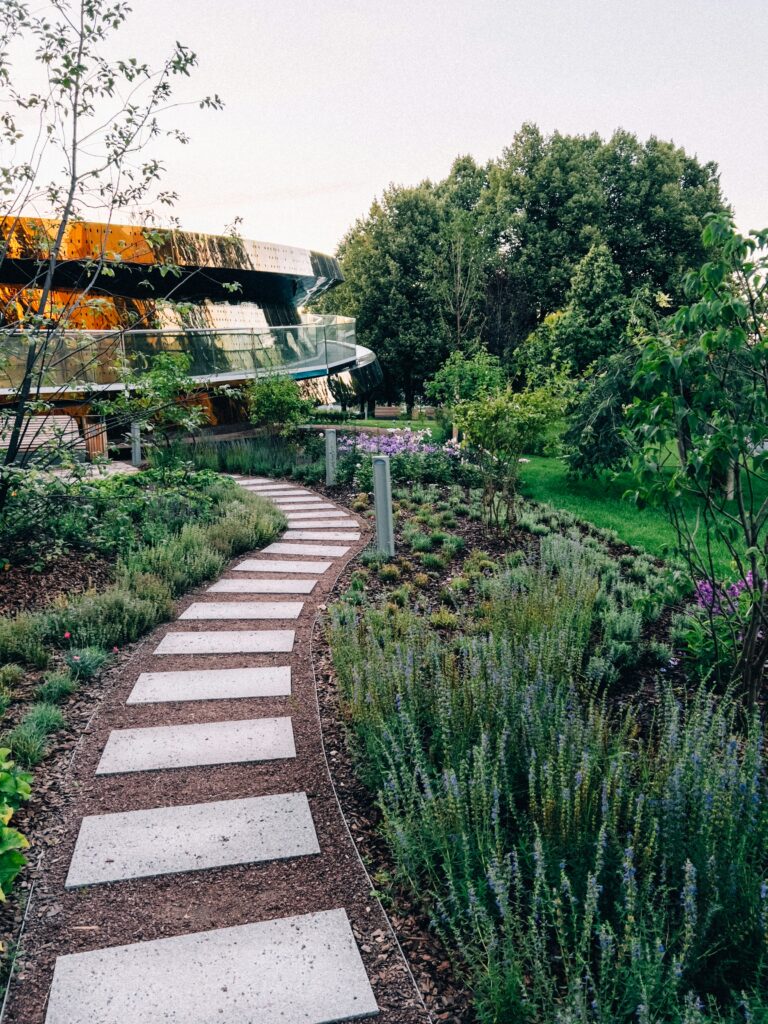
Layout is the foundation of daily functionality. Clear layouts guide movement naturally and reduce hesitation. When pathways are logical and open, people navigate spaces comfortably. How well-planned design improves daily functionality begins with layouts that support natural movement instead of forcing adjustments.
Movement Flow Reduces Physical and Mental Strain
Daily movement should feel effortless. Tight pathways and awkward transitions create ongoing discomfort. Well-planned design improves daily functionality by allowing smooth movement patterns that support comfort over time. When movement feels easy, daily tasks feel lighter.
Step 2: Zoning Improves Everyday Efficiency
Zoning helps organize spaces according to daily activities. Well-planned design improves daily functionality by placing related activities close together. Zones should feel natural rather than forced. When zones align with behavior, people complete daily tasks more efficiently without conscious effort.
Why Flexible Zones Matter for Real Life
Rigid zones limit use as routines change. Flexible zoning allows spaces to serve multiple purposes. How well-planned design improves daily functionality is evident when zones adapt easily without redesign. This flexibility keeps spaces useful long term.
Step 3: Visual Order Supports Clear Use
Visual clutter creates confusion and slows down daily use. Well-planned design improves daily functionality by maintaining visual order. Balanced proportions consistent elements and simple structure allow people to understand spaces quickly. When the eye can rest, the mind functions better.
Simplicity Improves Long-Term Functionality
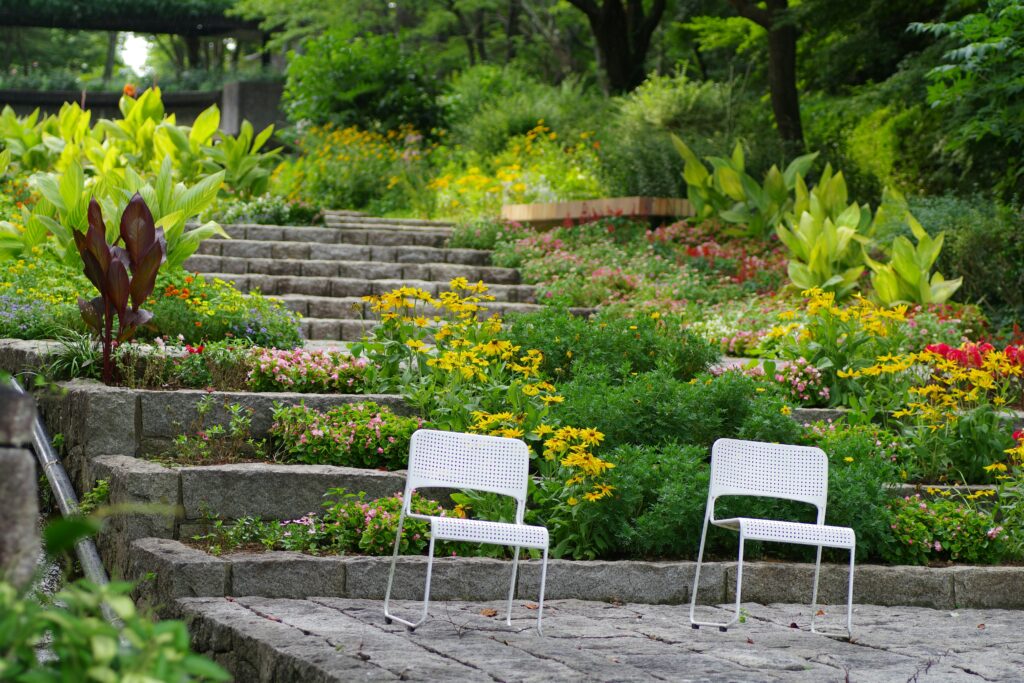
Complex design may look impressive but often complicates daily use. Well-planned design improves daily functionality by prioritizing simplicity. Simple structures age better and remain usable even as needs change.
Step 4: Material Choices Affect Practical Use
Materials directly influence how functional a space feels. Fragile materials increase caution and reduce ease of use. Well-planned design improves daily functionality by choosing durable and forgiving materials. When people are not worried about damage, they use spaces freely.
Low Maintenance Supports Consistent Use
Spaces that require constant upkeep slowly lose functionality. Well-planned design improves daily functionality by reducing maintenance demands. Simple finishes and accessible surfaces allow spaces to stay functional even when time is limited.
Step 5: Consistency Improves Daily Predictability
Consistency helps people feel confident using a space. Repeated design patterns allow users to predict how spaces behave. How well-planned design improves daily functionality is linked to this predictability, which reduces mental effort during everyday use.
Sound and Comfort Influence Functionality
Noise affects focus and comfort. Well-planned design improves daily functionality by considering sound control. Quieter environments support concentration and relaxed use, improving how spaces function daily.
Adaptability Keeps Spaces Functional Over Time
Life changes and spaces must respond. Well-planned design improves daily functionality by allowing adaptability. Flexible layouts and multipurpose zones ensure that functionality is not lost as routines evolve.
Why Bhoomi Nursery Focuses on Functional Planning
At Bhoomi Nursery, we believe design must work in everyday life, not just look good. Our approach prioritizes planning, usability, and long-term function. With decades of experience in landscaping and space planning, Bhoomi Nursery creates environments where well-planned design improves daily functionality through thoughtful layouts and practical solutions.
Professional Planning Makes Functionality Reliable
Functionality does not happen by chance. Professional planning ensures that every design decision supports real use. At Bhoomi Nursery, we design spaces that function smoothly today and remain useful as needs change.
Conclusion: Functionality Comes From Thoughtful Planning
How well-planned design improves daily functionality is evident in spaces that feel easy to use every day. Clear layouts, flexible zoning, visual order, durable materials, and low maintenance planning work together to support daily life. When design is planned with people in mind, functionality becomes effortless and lasting. With expert guidance from Bhoomi Nursery, spaces transform into practical environments that support everyday living consistently.