
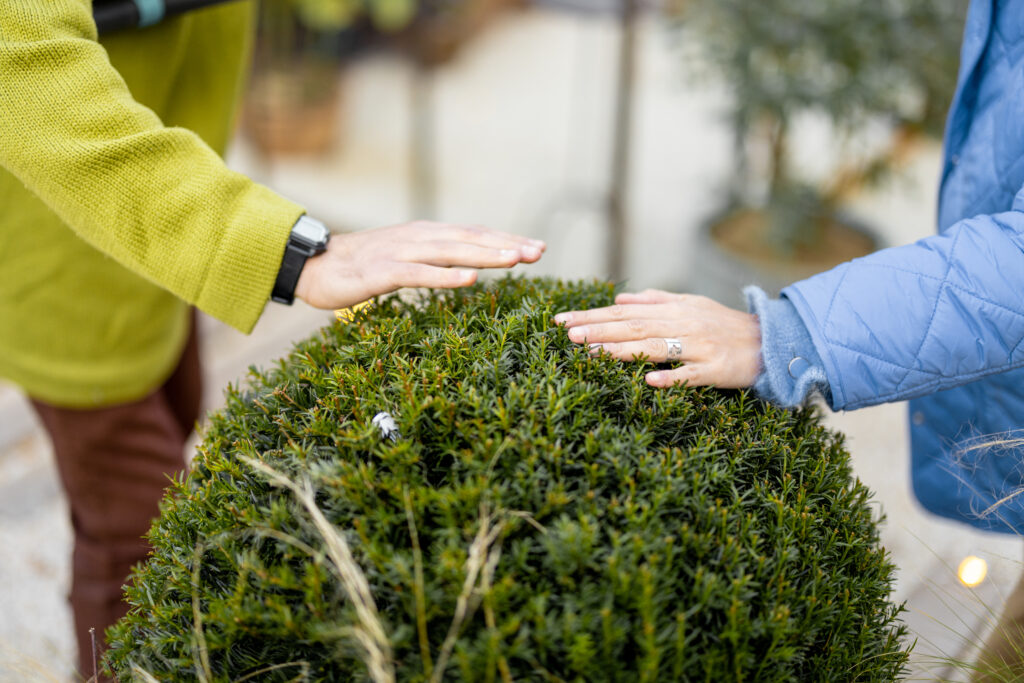
These are one of the most sophisticated ways to add art and structure to a garden. By shaping plants into decorative forms, topiaries bring elegance, style, and a sense of creativity to outdoor spaces. Whether you are designing a modern villa garden or a classic landscape, topiaries can transform ordinary greenery into eye-catching sculptures.
What Are Topiaries?
These are plants that have been carefully trimmed and shaped into defined forms, such as spheres, spirals, animals, or abstract designs. This horticultural art combines gardening skill with aesthetic design, allowing you to create unique focal points in your garden.
Unlike standard garden plants, topiaries provide a sense of structure and intentionality. They can be used as standalone features, lined along pathways, or integrated into larger landscaping arrangements to enhance visual appeal.
Why Choose Topiaries for Your Garden?
These are not only visually striking but also functional. They can guide the eye through a landscape, create symmetry, or emphasize a particular area of your garden. Additionally, topiaries are highly versatile and can complement a variety of garden styles, from contemporary minimalism to classic formal designs.
One of the main advantages of topiaries is their ability to add a refined and artistic touch to your outdoor spaces without requiring large areas. Even small gardens can benefit from a few well-placed topiary sculptures.
Popular Topiary Shapes and Designs
There is a wide range of shapes and designs available for topiary plants, allowing for creativity and personalization. Common styles include:
- Geometric shapes such as spheres, cubes, and spirals
- Animal forms, including birds, elephants, or abstract creatures
- Tiered designs for dramatic visual impact
- Free-form shapes for a natural yet artistic appearance
Choosing the right shape depends on your garden’s overall theme and the statement you wish to make.
Ideal Plants for Topiaries
Certain plants are more suitable for topiary shaping due to their dense foliage and growth patterns. Boxwood, ficus, and privet are popular choices because they respond well to pruning and maintain their form over time. With consistent care, these plants can be trained into intricate and long-lasting designs.
Care and Maintenance Tips
Maintaining topiaries requires regular attention, but it is manageable with a few key practices:
- Prune regularly to retain the desired shape
- Provide adequate sunlight based on plant type
- Water consistently without overwatering
- Use nutrient-rich soil and occasional fertilizers
- Monitor for pests and plant stress
Consistent care ensures that your topiaries remain healthy, vibrant, and visually appealing.
Incorporating Topiaries into Landscaping
Topiaries can be integrated into gardens in numerous ways. They work well as entrance features, along walkways, or as accents in formal garden beds. They can also complement other ornamental plants, shrubs, and flowers, creating a balanced and aesthetically pleasing landscape.
For modern gardens, minimalistic topiary designs such as spirals or spheres can enhance clean lines and contemporary architecture. In contrast, traditional gardens may benefit from more elaborate or whimsical forms.
Final Thoughts
Topiaries are more than just decorative plants; they are living sculptures that combine artistry and horticulture. By incorporating topiaries into your outdoor space, you can create a garden that is elegant, structured, and visually captivating. Whether for small private gardens or expansive landscapes, topiaries offer a timeless and versatile solution to elevate the beauty of your garden.