
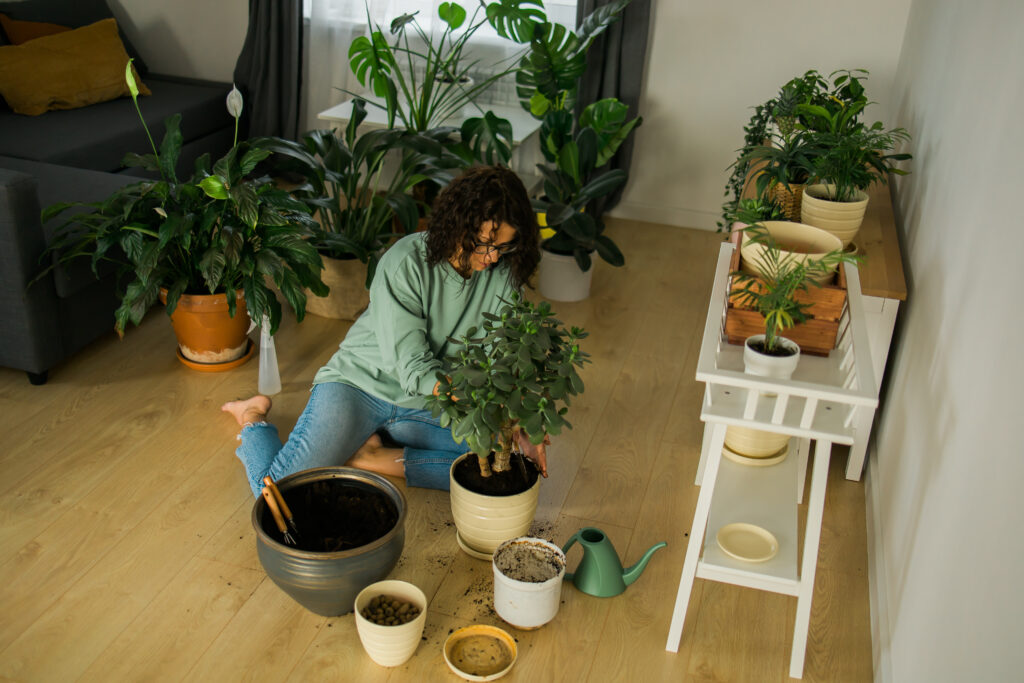
Why Real Life Should Shape Living Area Design
Living areas often look perfect on paper but fail to support daily routines. Real life includes movement pauses work rest conversations and quiet moments that do not follow fixed patterns. Creating living areas that work with real life means designing spaces that respond naturally to how people actually live rather than how spaces are expected to look. When design supports real behavior living areas feel comfortable intuitive and easy to use every day.
Understanding How People Use Living Areas Daily
People do not use living areas in one single way. Mornings may involve quick movement evenings may invite rest and weekends often bring longer stays. Living areas that ignore these patterns feel restrictive or underused. Design that works with real life considers flexibility flow and comfort so the space adapts throughout the day without effort.
Livable Design Focuses on Comfort Over Display
Design driven only by appearance often sacrifices comfort. Livable design prioritizes how a space feels during use rather than how it appears when unused. Comfortable proportions clear movement paths and accessible zones allow living areas to function naturally. Creating living areas that work with real life means choosing design choices that reduce friction and support ease.
Step 1: Designing Clear and Functional Layouts
Clear layouts make living areas easier to understand and use. People should know instinctively where to move sit or pause. When layouts are logical the space feels welcoming rather than confusing. Functional layouts reduce mental effort and allow people to relax instead of navigating the space.
Supporting Natural Movement Patterns
Movement is constant in daily life. Living areas should allow smooth transitions without obstacles or tight corners. When movement feels unrestricted the space becomes part of routine life instead of something to work around. Design that supports natural movement increases comfort and long-term use.
Step 2: Creating Flexible Open Zones
Flexibility is essential for real-life living. Open zones allow spaces to adapt to changing needs without redesign. A space that can support different activities throughout the day remains useful longer. Creating living areas that work with real life means allowing change rather than forcing fixed use.
Choosing Materials That Support Everyday Use
Materials influence how comfortable a living area feels over time. Durable easy-care surfaces reduce stress and maintenance pressure. Materials that age naturally support long-term comfort and remove the need for constant attention. Practical material choices make living areas feel relaxed and forgiving.
Step 3: Designing for Low Maintenance Living
High-maintenance spaces often lose their appeal quickly. Living areas that work with real life are easy to maintain and forgiving of daily use. Simple design fewer transitions and accessible surfaces reduce effort. When maintenance feels manageable people enjoy the space more consistently.
Creating Zones Without Restriction
Zones help organize living areas but rigid boundaries can feel limiting. Soft transitions allow spaces to flow while still supporting different uses. This freedom makes living areas adaptable and comfortable. Real life needs spaces that respond not restrict.
Step 4: Supporting Comfort Throughout the Day
Living areas should feel usable at different times without adjustment. Comfort is influenced by airflow spacing and seating placement. When these factors are considered the space remains inviting throughout the day. Designing living areas that work with real life means planning for daily use not occasional moments.

Visual Calm Makes Living Areas Easier to Use
Visual clutter increases mental fatigue. Living areas feel more usable when design is calm and balanced. Consistent tones simple structure and thoughtful spacing allow the eye to rest. Visual calm supports emotional comfort and encourages longer use.
Considering Sound and Privacy in Daily Life
Sound and privacy strongly affect comfort. Living areas that reduce harsh noise and provide a sense of enclosure feel safer and more relaxing. These elements influence whether people enjoy spending time in a space or avoid it. Design that works with real life respects these needs.
Step 5: Designing for Long-Term Use and Change
Life evolves and living areas should evolve with it. Spaces designed to adapt remain relevant longer. When layouts allow rearrangement without major effort the space stays useful. Creating living areas that work with real life means accepting change as part of design.
Why Bhoomi Nursery Designs for Real Living
At Bhoomi Nursery, we believe spaces should support daily life rather than complicate it. Our approach focuses on comfort adaptability and long-term ease. With decades of experience in landscaping and spatial planning Bhoomi Nursery helps create living areas that feel natural functional and enjoyable every day.
Professional Planning Brings Real Life Into Design
Designing living areas that work with real life requires understanding behavior flow and long-term use. Professional guidance ensures that spaces align with real routines rather than ideal scenarios. At Bhoomi Nursery, we translate everyday needs into spaces that feel effortless and lasting.
Conclusion: Spaces That Truly Fit Daily Life
Creating living areas that work with real life is about designing with people in mind. When layouts are clear flexible and low maintenance spaces naturally become part of everyday routines. Thoughtful design turns living areas into places of comfort ease and continuity. With expert guidance from Bhoomi Nursery, living areas can grow alongside real life and remain welcoming for years to come.