
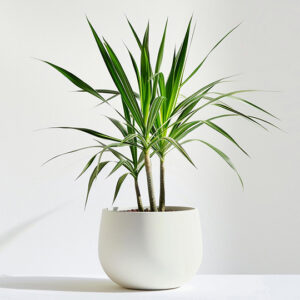
Discovering the Beauty of Desert Bloom Plants
Desert bloom plants are nature’s way of proving that beauty can thrive even in the harshest conditions. These resilient plants flourish in dry climates, adding vibrant colors and life to arid landscapes where most vegetation struggles to survive. Whether you live in a dry region or simply want a low-maintenance, eco-friendly garden, desert bloom plants bring texture, color, and a sense of tranquility to any outdoor space. Their ability to conserve water while producing stunning blossoms makes them perfect choices for modern sustainable gardening.
Why Choose Desert Bloom Plants for Your Garden
The biggest advantage of desert bloom plants is their exceptional drought tolerance. They require minimal water, thrive in full sunlight, and resist many pests that affect regular garden plants. By choosing these hardy species, gardeners can save both time and resources while creating gardens that stay green and colorful year-round. These plants also enrich the soil with organic matter and help reduce erosion, making them ideal for both decorative and environmental purposes. From small balconies to large landscapes, desert bloom plants offer beauty with minimal upkeep.
Step 1: Select the Right Desert Bloom Plants
When planning your desert bloom garden, begin with plant selection. Choose species that adapt well to your region’s climate and soil. Popular choices include succulents like agave and aloe, flowering plants such as desert marigold, and hardy shrubs like lantana or oleander. For a splash of color, add bougainvillea, which flourishes with little water but delivers bold, radiant flowers throughout the year. Cacti varieties such as golden barrel or prickly pear also make excellent additions that blend structure with style.
Step 2: Prepare the Soil for Success
Good soil preparation ensures healthy roots and vibrant growth. Desert bloom plants prefer well-drained, sandy or gravelly soil. If your garden has heavy clay soil, mix in sand or organic compost to improve drainage. These plants dislike waterlogged conditions, so proper soil texture is crucial. Before planting, clear weeds and debris, then dig holes twice as wide as the root ball. Once planted, press the soil gently around the base to eliminate air pockets.
Step 3: Provide Smart Watering and Sunlight
Even though desert bloom plants are low-water species, they still need proper hydration during their establishment phase. Water deeply once or twice a week for the first few months to help roots develop. Once established, reduce watering frequency, allowing the soil to dry between sessions. Morning watering works best because it prevents evaporation loss. Position your plants where they receive at least six hours of direct sunlight daily, as most desert species love the sun and rely on it for blooming.
Step 4: Add Mulch and Manage Temperature
Mulching is an essential part of maintaining a desert bloom garden. A layer of gravel or organic mulch helps regulate soil temperature, reduces weed growth, and conserves moisture. Choose natural materials like crushed stones, pebbles, or bark chips that complement your landscape design. This simple step not only enhances the garden’s visual appeal but also creates a microclimate that supports healthy plant development throughout the year.
Step 5: Maintain and Prune for Continuous Bloom
Desert bloom plants are naturally low-maintenance, but occasional care ensures continuous flowering. Remove dead leaves or faded blooms to encourage new growth and maintain a tidy appearance. Prune overgrown branches to shape the plants and improve airflow. For flowering varieties, trim after the blooming season to prepare them for the next cycle. Feeding once a year with a slow-release fertilizer during early spring promotes stronger root systems and brighter flowers without overstimulating growth.
Step 6: Combine Colors and Textures for Impact
A desert bloom garden is more than just plants—it’s about creating visual harmony through color and texture. Combine green succulents with vibrant flowering plants to achieve contrast and balance. Pair tall cacti with low-growing ground covers to build layers that draw attention naturally. Add decorative rocks, driftwood, or clay pots to bring an authentic desert aesthetic to your garden. With thoughtful arrangement, your desert bloom space will look elegant, modern, and inviting.
The Eco-Friendly Edge of Desert Bloom Plants
Beyond their beauty, desert bloom plants contribute to sustainability. They require less water than traditional garden plants, making them ideal for areas prone to drought. Their deep root systems stabilize soil, support local pollinators, and reduce the carbon footprint of gardening. By planting desert bloom varieties, you conserve water resources while supporting biodiversity—a perfect blend of ecological responsibility and aesthetic appeal.
Why Bhoomi Nursery Recommends Desert Bloom Plants
At Bhoomi Nursery, we believe every garden should be both beautiful and sustainable. Our range of desert bloom plants is carefully selected to thrive in India’s warm climate while offering year-round visual charm. From colorful blooms to sculptural succulents, each plant embodies resilience and elegance. Whether you’re designing a residential garden, a commercial landscape, or a cozy terrace space, our team provides expert advice to help you create the perfect desert-inspired green haven.
Conclusion: Bringing Life to Dry Spaces
Desert bloom plants prove that with the right choices, even the driest garden can become a vibrant oasis. Their unmatched resilience, low-water needs, and striking appearance make them must-haves for anyone seeking beauty with sustainability. With careful planning, minimal maintenance, and expert guidance from Bhoomi Nursery, you can transform any space into a living work of art that thrives in harmony with nature.