
Why Ease of Living Matters More Than Appearance
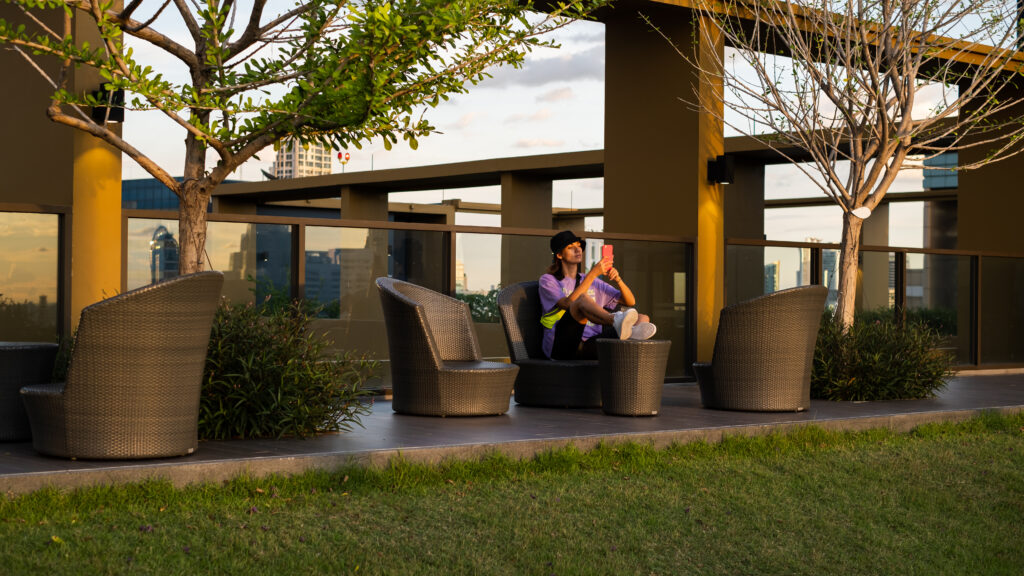
Outdoor areas are often designed to look good but not always to be lived in. An outdoor space becomes truly successful when it fits naturally into daily life without creating effort or stress. Design choices that make outdoor areas easy to live with focus on comfort flow and practicality rather than visual impact alone. When an outdoor space feels effortless to use people return to it more often and enjoy it more deeply.
Understanding How People Actually Use Outdoor Areas
The first step toward easy outdoor living is understanding real behavior. People prefer spaces that feel intuitive where movement seating and openness make sense without explanation. Outdoor areas that demand constant adjustment maintenance or decision-making slowly become unused. Design choices should support natural habits such as sitting walking relaxing or socializing without forcing behavior.
Simplicity as a Core Design Principle
Simple design choices reduce friction in everyday use. When outdoor areas are visually clean and functionally clear they are easier to maintain and easier to enjoy. Simplicity does not mean empty but intentional. Fewer materials fewer transitions and fewer focal points help the space feel calm and manageable. This simplicity makes outdoor areas easier to live with over time.
Step 1: Clear Layouts That Guide Use Naturally
A clear layout is one of the most important design choices. People should instantly understand where to walk sit or pause. When pathways are obvious and open areas feel welcoming the space becomes intuitive. Confusing layouts create hesitation and discomfort. Clear structure allows people to relax instead of figuring out how to use the space.
Designing for Comfortable Movement
Outdoor areas should allow smooth movement without obstacles. Tight corners cluttered zones or abrupt changes make spaces feel restrictive. Design choices that support easy movement encourage people to slow down rather than rush through. Comfortable movement makes outdoor living feel natural rather than planned.
Step 2: Open Space That Allows Flexibility
Open space is essential for livability. It allows outdoor areas to adapt to different needs throughout the day. A space that is too tightly filled limits options and creates visual stress. Open areas provide breathing room and make the environment feel lighter and more usable. Flexibility is a key factor in making outdoor spaces easy to live with.
Choosing Materials That Age Gracefully
Materials play a big role in long-term comfort. Outdoor areas feel easier to live with when materials age well and do not require constant attention. Durable finishes natural textures and weather-friendly surfaces reduce maintenance pressure. When materials support long-term use the space remains comfortable rather than demanding.
Step 3: Prioritizing Low Maintenance Design
High-maintenance outdoor spaces quickly lose appeal. Design choices that reduce upkeep make outdoor areas more enjoyable. Simple layouts consistent surfaces and easy access for cleaning help maintain comfort over time. When maintenance feels manageable people are more likely to use and appreciate the space regularly.
Creating Zones Without Hard Boundaries
Zones help define how an outdoor area is used but hard boundaries can feel restrictive. Subtle transitions such as spacing texture or orientation create natural zones without visual separation. This allows the space to flow while still supporting different activities. Easy living depends on freedom rather than rigid division.
Step 4: Designing for Daily Comfort Not Occasional Use
Outdoor areas should support everyday moments not just special occasions. Comfortable proportions shading airflow and seating placement make spaces usable throughout the day. When design choices prioritize daily comfort the space becomes part of routine life rather than a decorative feature.
The Role of Visual Calm in Easy Living
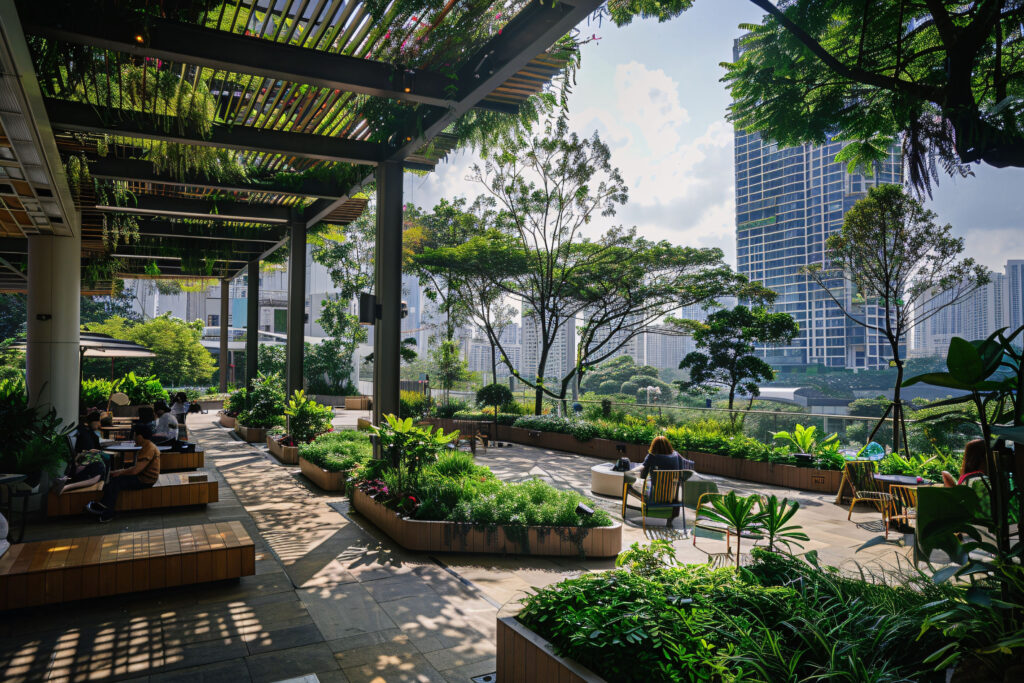
Visual clutter creates mental fatigue. Outdoor areas feel easier to live with when the design reduces visual noise. Consistent tones balanced proportions and restrained elements allow the eye to rest. Visual calm supports emotional comfort and encourages longer use.
Sound and Sensory Comfort
Livable outdoor areas consider more than visuals. Sound exposure privacy and overall sensory comfort matter. Spaces that reduce harsh noise and allow gentle ambient sound feel more comfortable. These subtle design choices influence how relaxed people feel when using the space.
Step 5: Designing for Long-Term Use and Change
Outdoor living needs change over time. Design choices that allow adaptation without major alteration support longevity. Spaces that can be rearranged or repurposed remain useful as needs evolve. Easy living is supported by design that accepts change rather than resisting it.
Why Bhoomi Nursery Focuses on Livable Outdoor Design
At Bhoomi Nursery, we believe outdoor areas should support daily life not complicate it. Our landscaping approach emphasizes comfort ease and long-term usability. With decades of experience in landscaping and plant care Bhoomi Nursery designs outdoor spaces that feel natural practical and enjoyable to live with. Every design choice is made with human comfort in mind.
Professional Planning Makes Outdoor Living Effortless
Making outdoor areas easy to live with requires thoughtful planning and experience. Professional guidance ensures that design choices align with real use rather than just appearance. At Bhoomi Nursery, we translate lifestyle needs into outdoor designs that feel intuitive calm and sustainable.
Conclusion: Easy Living Comes From Thoughtful Design
Outdoor areas become easy to live with when design choices prioritize clarity comfort and simplicity. Spaces that support natural movement low maintenance and daily use invite people in rather than push them away. Thoughtful design turns outdoor areas into extensions of everyday life. With expert guidance from Bhoomi Nursery, outdoor spaces can become places of ease comfort and long-term enjoyment.