
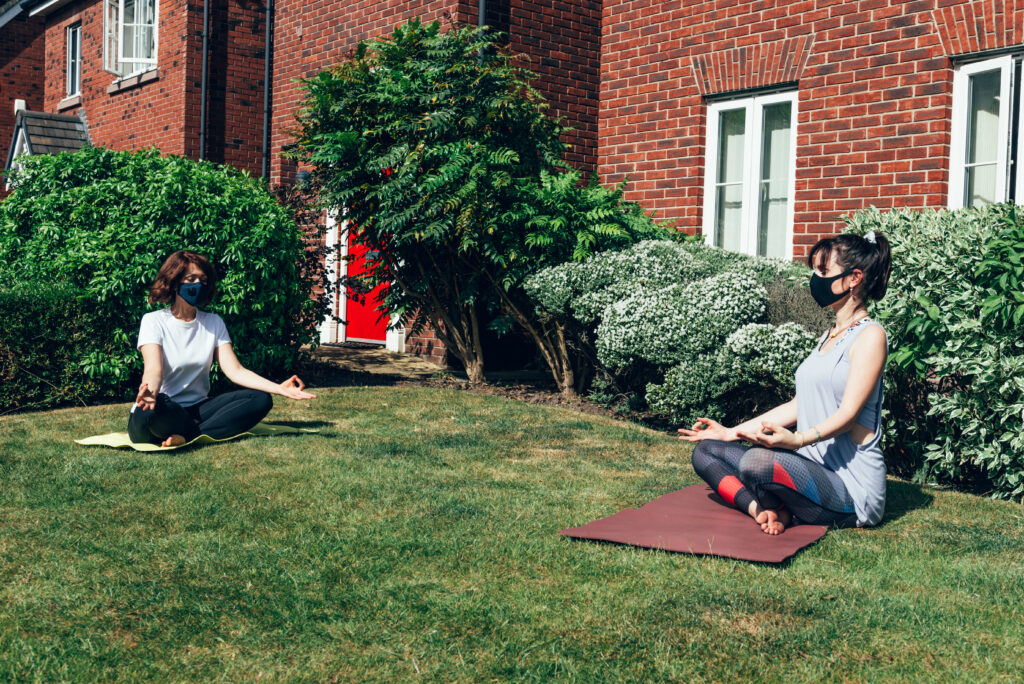
Understanding How Outdoor Design Affects Stress Levels
Outdoor spaces influence how we feel more than we often realize. A cluttered or poorly planned outdoor area can create mental noise even when it is visually attractive. Simple outdoor design tips focuses on clarity balance and purpose so the space feels calm the moment you step into it. When visual clutter is reduced the mind relaxes breathing slows and the environment begins to feel restorative rather than overwhelming.
Why Visual Clutter Creates Stress Without Us Noticing
Visual clutter happens when too many elements compete for attention at once. Mixed styles excessive decoration inconsistent materials and crowded layouts force the brain to constantly process information. This leads to subtle stress and fatigue. Simple outdoor design works by removing unnecessary elements and allowing each feature to exist with intention. Calm spaces are not empty spaces they are thoughtfully edited spaces.
The Role of Simplicity in Outdoor Design
Simplicity is the foundation of stress-free outdoor spaces. This does not mean boring or plain but rather clear and intentional. Simple outdoor design uses fewer materials fewer focal points and cleaner layouts. When the eye knows where to rest the space instantly feels lighter and more welcoming. Simplicity also makes outdoor areas easier to maintain which further reduces daily stress.
Step 1: Reduce the Number of Design Elements
One of the fastest ways to reduce visual clutter is to limit how many elements are used. Choose fewer textures shapes and materials and repeat them consistently. Avoid mixing too many patterns or styles in one area. When elements repeat naturally the space feels organized and calm rather than chaotic.
Step 2: Create Clear Open Spaces
Open space is essential for mental clarity. Many people feel pressured to fill every corner but empty areas are what allow a design to breathe. Clear open zones give the eye a place to rest and make the surrounding features stand out naturally. Open spaces also improve movement and create a feeling of freedom rather than restriction.
Using Clean Lines to Calm the Mind
Clean lines help guide the eye smoothly through an outdoor space. Straight or gently curved lines feel more organized than sharp unpredictable angles. Pathways seating zones and boundaries should flow naturally without interruption. When movement through a space feels effortless stress reduces automatically.
Step 3: Choose a Limited Color Palette
Color has a powerful impact on mood. Simple outdoor design relies on a limited and harmonious color palette. Neutral tones earthy shades and soft contrasts help reduce visual noise. Too many bright or competing colors can feel stimulating rather than calming. A consistent color theme brings unity and emotional balance to the space.
Step 4: Prioritize Function Over Decoration
Every element in a calm outdoor space should serve a clear purpose. Decorative items that do not add comfort function or flow often contribute to clutter. Focus on features that support relaxation such as seating pathways or shaded areas. When design choices are practical they naturally feel calmer and more intentional.
The Importance of Visual Balance
Balance does not require perfect symmetry but it does require stability. Distribute visual weight evenly across the space so no single area feels heavy or crowded. Balanced spaces feel grounded and safe which supports emotional calm. Visual balance allows the outdoor area to feel welcoming rather than overwhelming.

Step 5: Minimize Hard Boundaries and Sharp Divisions
Harsh boundaries break visual flow and increase mental tension. Simple outdoor design favors soft transitions between zones. Subtle changes in texture height or spacing are enough to define areas without harsh separation. When zones blend naturally the space feels continuous and peaceful.
Reducing Noise Through Thoughtful Design
Stress is not only visual it is also sensory. Outdoor design can help reduce environmental noise by creating layers and buffers. Strategic placement of structures or denser edges helps soften outside sounds. A quieter space allows for deeper relaxation and improves overall comfort.
Step 6: Keep Maintenance Simple and Predictable
A space that looks calm but requires constant upkeep can still create stress. Simple outdoor design prioritizes ease of maintenance. Fewer materials and consistent layouts reduce the effort required to keep the space looking good. When maintenance feels manageable the outdoor area remains a source of joy rather than pressure.
Lighting That Supports Calm Evenings
Lighting should enhance rather than dominate an outdoor space. Soft warm lighting placed thoughtfully creates a soothing atmosphere. Avoid harsh bright lights that create glare or strong contrast. Gentle lighting extends the feeling of calm into the evening and helps the space feel safe and inviting.
How Simplicity Improves Daily Outdoor Living
When outdoor spaces are simple and uncluttered they invite regular use. People naturally spend more time outdoors when the environment feels calm and welcoming. Simple design encourages slow movement conversation reflection and rest. Over time this improves overall well-being and strengthens the connection between home and nature.
Why Bhoomi Nursery Believes in Simple Outdoor Design
At Bhoomi Nursery, we understand that true beauty comes from balance not excess. Simple outdoor design aligns with our approach to creating spaces that are calming sustainable and practical. With years of experience in landscaping and green space planning Bhoomi Nursery helps clients reduce visual clutter while enhancing natural elegance. Our focus is always on long-term comfort ease and harmony.
How Professional Guidance Makes a Difference
Applying simple outdoor design principles effectively requires understanding proportion flow and long-term use. Professional guidance ensures that simplicity does not become emptiness and that calm does not become dull. At Bhoomi Nursery, we help design outdoor spaces that feel serene yet alive practical yet beautiful.
Conclusion: Calm Begins with Clarity
Reducing stress and visual clutter in outdoor spaces begins with simple intentional choices. By focusing on clarity balance open space and functional design any outdoor area can become a place of calm. Simple outdoor design is not about removing beauty but about revealing it. With thoughtful planning and expert support from Bhoomi Nursery, outdoor spaces can transform into peaceful environments that support everyday well-being.